







Search Results for: light roast beans
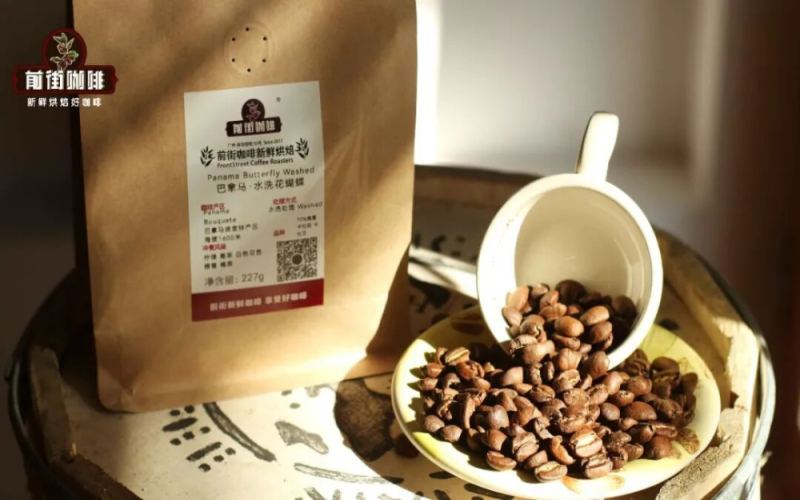
What Is Nordic Ultra-Light Roast Coffee? A Comprehensive Analysis of Front Street Medium-Light Roast and Japanese Dark Roast
Have you ever heard of "ultra-light roast coffee"? It originated in Northern Europe and uses high-temperature, fast roasting to pursue the bright acidity and floral and fruity aromas of coffee beans, and is often described as "like drinking tea or juice." Completely different from the rich, mellow aroma of Japanese-style dark roasting, Nordic light roasting emphasizes regional flavors and a light, clean mouthfeel. As a self-roasting brand, why doesn't Front Street Coffee launch ultra-light roast beans? This article will comprehensively analyze the definition, characteristics, and production challenges of ultra-light roast coffee from the perspectives of roasting rhythm, chemical reactions, extraction difficulties, and more, and compare the differences between Front Street's medium-light roast and Japanese-style dark roast, helping coffee lovers find the flavor direction that suits them. [more…]
What is the difference between light roast and medium-light roast coffee beans? A guide to buying medium-light roast pour-over single-origin beans
The roast level of coffee beans directly affects the flavor in the cup. This article starts with the difference between light roast and medium-light roast, sorting out the evolution logic of acidity, sweetness, and bitterness during the roasting process, helping readers understand why beans roasted below medium level are more likely to present floral and fruity notes. At the same time, it compiles a shopping list of medium-light roast pour-over single-origin coffee beans, covering many popular beans under Front Street Coffee such as Huakui, Geisha, Blackberry, Yirgacheffe, Little Tomato, Butterfly, Strawberry Candy, Xizhua, etc., with recommendation ratings and flavor descriptions attached for daily purchasing reference. [more…]
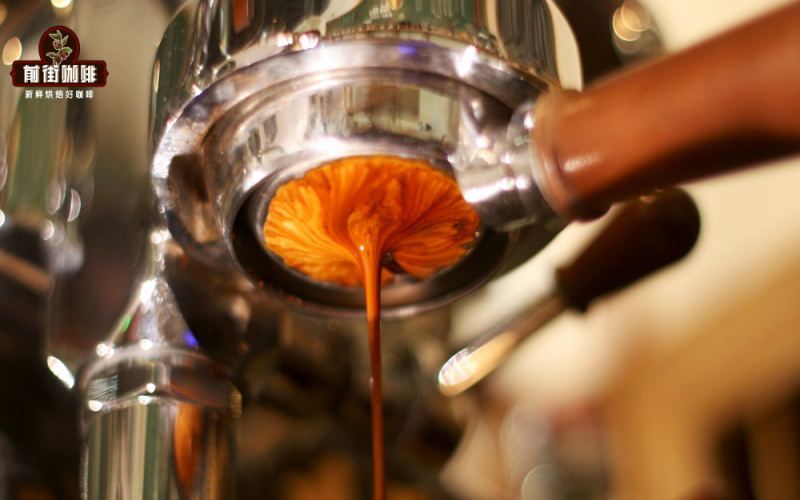
Are Light Roast Coffee Beans Suitable for Espresso? A Full Analysis of Grind, Dose, Pressure Adjustment, and Flavor Performance
Can light-roast coffee beans hold their own in espresso? This is a question many coffee lovers are curious about. Building on Front Street Coffee's previous tests, this article further sorts out the practical key points and flavor tendencies of making espresso with light-roast beans. Starting from common misconceptions, the article analyzes why light-roast espresso tends to be sharply acidic, and breaks down one by one how the three key variables—grind size, dose, and extraction pressure—should be adjusted. At the same time, for different taste preferences, it recommends suitable beans such as Front Street Coffee's Classic Blend, Commercial Blend, PWN Golden Mandheling SOE, and Strawberry Candy Espresso. Finally, it objectively describes the drinking experience of light-roast espresso to help readers decide whether it is worth a try. [more…]
Coffee Bean Starter List | What's the Difference Between Light Roast and Medium-Light Roast Coffee Beans? Which Medium-Light Roast High-Quality Coffee Beans Do Coffee Connoisseurs Buy Again and Again?
When it comes to coffee beans, everyone probably knows that coffee is made from green beans that have been roasted into roasted beans. There are several degrees of roasting. Generally speaking, the ones most commonly seen in coffee shops are mainly these levels: light roast, medium-light roast, medium roast, medium-dark roast, and dark roast, but there is no clear boundary between them. And as a consumer [more…]
A Guide to Extracting Light-Roast Espresso Beans: Flavor Characteristics, Common Issues, and Bean Selection Tips for Home Espresso Machines
Can light-roast coffee beans hold their own in espresso? Building on Front Street's earlier tests, this article takes a closer look at the flavor performance and key operating points of making espresso with light-roasted beans. From the causes of sharp acidity and channeling to adjustment strategies for grind size, dose, and pressure, it breaks down the pitfalls in extraction one by one. At the same time, for home and office scenarios, it recommends coffee beans with different positioning, such as Front Street Classic Blend, Commercial Blend, PWN Golden Mandheling SOE, and Strawberry Candy Espresso, helping coffee lovers find the espresso that suits them among acidity, crema, and sweetness. [more…]
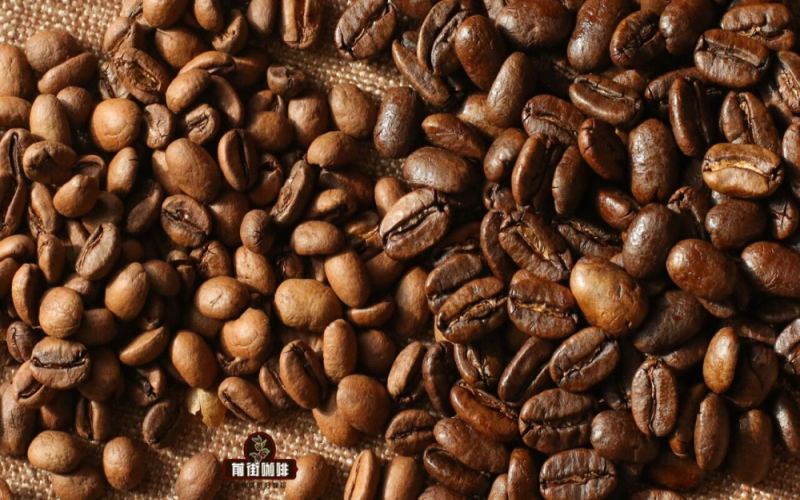
What are the differences between dark roast and light roast coffee beans? Are dark roast beans expensive, and how much do they generally cost?
Should coffee beans be dark roasted or light roasted? This is a long-running debate in the coffee world. Those who favor light roasting believe that it preserves the coffee's origin flavors and floral and fruity aromas to the greatest extent; those who champion dark roasting emphasize that only medium-dark roasting allows the Maillard reaction to complete fully, bringing a rich, full-bodied sweetness and a smooth mouthfeel. Each side has its points, and there is no absolute right or wrong. This article will sort out the core differences between dark roasting and light roasting, introduce the taste characteristics of the three levels—light roast, medium roast, and dark roast—and give specific Front Street Coffee bean recommendations for different flavor preferences, while also answering common questions such as how much dark-roasted coffee beans generally cost and whether they are expensive. [more…]
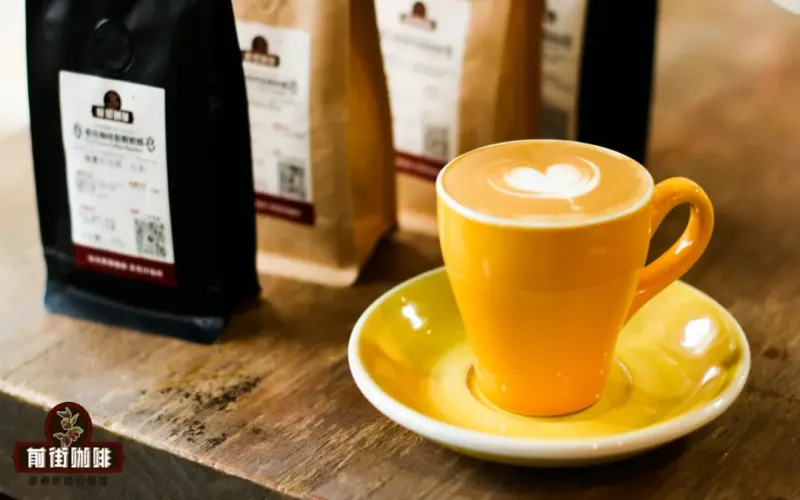
Is It Feasible to Make Espresso from Single-Origin Beans for Pour-Over? Differences Between Light Roast and Blend Beans and Extraction Adjustment Approaches
Many coffee enthusiasts stock up on single-origin pour-over beans during Front Street Coffee's monthly limited-time events, yet their purpose is to make espresso. However, single-origin beans are mostly medium-light or light roasts, which differ significantly in roast level from the dark roasts commonly used for espresso. Directly applying dark roast parameters often results in espresso that is sharply acidic and thin. This article focuses on this topic, first explaining the essential differences in density and brittleness between dark and light roast beans, then providing grinding adjustment ideas and reference formulas for light roast single-origin beans, and finally, from the two directions of dose and milk ratio, explaining how to keep light roast espresso from being diluted and masked in milk-based coffee, along with practical tips for making milk coffee. [more…]

Moka Pot Coffee | Why Do Light Roast Coffee Beans Often Fail in a Moka Pot? What Should You Watch Out for When Making Moka Pot Coffee with Light Roast Beans?
After drinking too much coffee of a certain flavor, we always want to switch things up and try something new. For example, some friends who use moka pots, even though they usually buy deeply roasted coffee beans full of caramelized aroma to make moka pot coffee, occasionally want to switch to light roast beans and experience the floral and fruity notes of light roast coffee. However, due to the [more…]
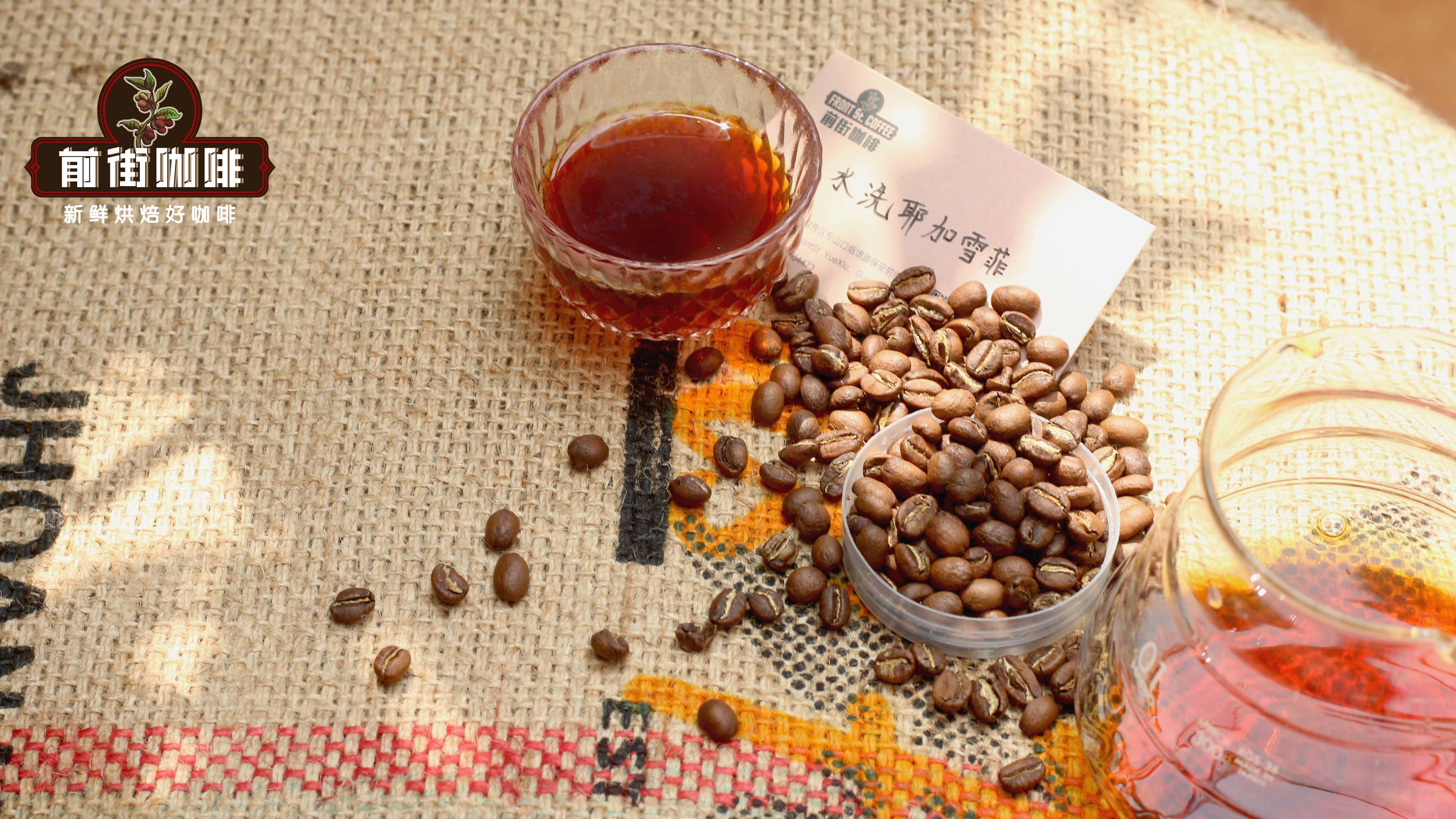
A Complete Guide to Coffee Roast Levels: Flavor Differences from Light to Medium-Dark Roast and Bean Selection Guide
The roast level of coffee directly influences the flavor expression in the cup, from the bright fruit acidity of light roasts to the rich chocolate notes of medium-dark roasts, each roast level has its unique charm. This article systematically introduces four roast levels: light roast, medium-light roast, medium roast, and medium-dark roast, covering the appearance characteristics, bean discharge temperature, Agtron value range, and flavor performance of each roast level. At the same time, for each roast level, it recommends representative coffee beans from the Front Street brand, helping coffee enthusiasts choose suitable coffee beans and brewing methods according to their personal taste preferences. [more…]
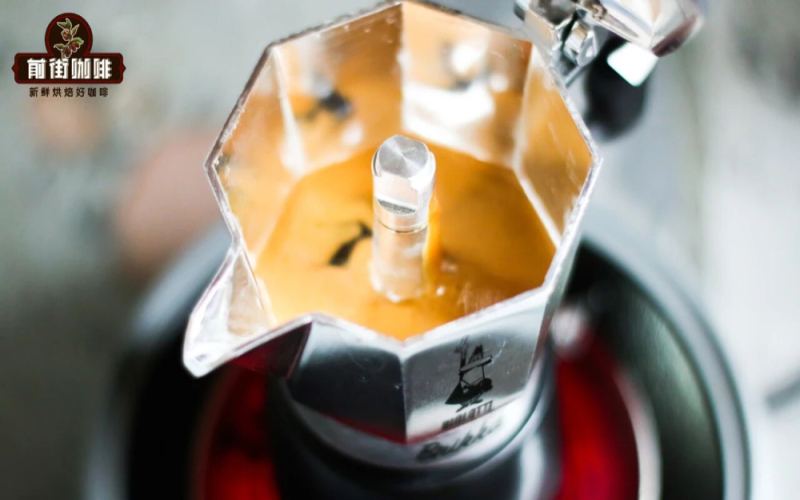
How to brew light-roast beans in a moka pot for the best taste? A full analysis of flavor, crema, and milk coffee issues
Many Moka pot users are accustomed to using dark roast beans because they are rich in oils and have a full-bodied, caramelized aroma. But when switching to light roast beans, they often run into problems like sharp acidity, sputtering during extraction, thin oils, and weak milk coffee. In fact, light roast beans aren't unsuitable for Moka pots—it's just that the extraction parameters need adjusting. This article breaks down the common reasons light roast beans go wrong in Moka pot coffee, offering solutions one by one from grind size and coffee dose to heat level and milk coffee ratio, while keeping product recommendations like Front Street Coffee's classic blend, helping you make a cup of well-balanced, clearly flavored coffee even with light roast beans. [more…]

Moka Pot Coffee Bean Recommendations | Is Light Roast Coffee Suitable for Brewing in a Moka Pot? Introduction to Moka Pot Coffee Grind Size and Dosage Parameters
After drinking too much coffee of a certain flavor, we always want to try something new. For example, some friends who use moka pots, although they usually buy deeply roasted coffee beans full of caramel aroma to make moka pot coffee, occasionally want to switch to light-roasted beans to experience the floral and fruity notes of light-roasted coffee. However, due to online [more…]
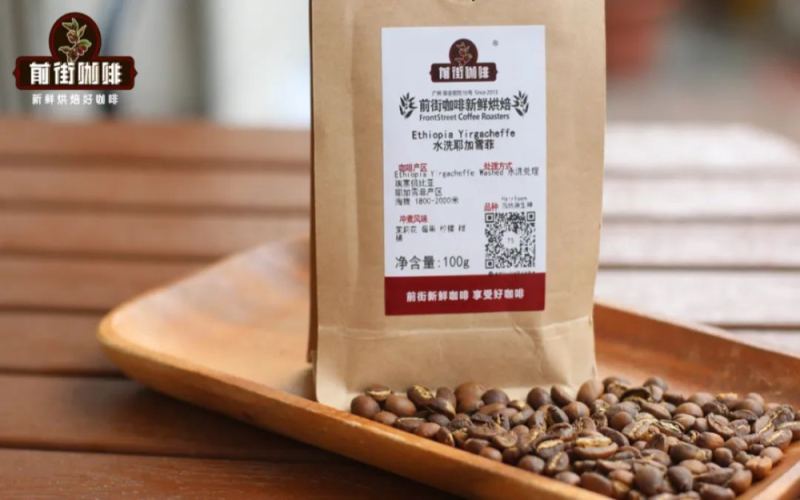
From Roast Curve to Cup Flavor: Why Light Roast Coffee Beans Are Popular, and Why Yirgacheffe Tends to Be Sour?
As Yirgacheffe brings bright acidity reminiscent of lemon and citrus into the specialty coffee shops of more and more small county towns, many people begin to wonder: why do coffee beans need a light roast? And why did light-roasted coffee come about in the first place? In fact, coffee beans are not light-roasted in order to express citrus notes; rather, under light-roast conditions they more easily reveal citrus-like qualities. The roast level determines the basic direction of the flavor, unfolding in turn from acidity and aroma to body and bitterness. This article starts from the roasting practice at Front Street Coffee, combining first crack and second crack, bean density and origin characteristics to explain the flavor logic between light roasting and Yirgacheffe, and how roasters weigh the trade-off between a uniform appearance and acidity expression. [more…]
An Analysis of Flavor Differences Between Light, Medium, and Dark Coffee Bean Roasts: Taste Characteristics and Selection of Specialty Coffee at Different Roast Levels
Green coffee beans themselves have no obvious aroma or flavor; only through roasting can they release their alluring flavors. Roasting time, temperature, method, and even the roaster's experience all have a subtle impact on the final taste in the cup. From light to dark roast, coffee beans differ in color, acid-bitterness balance, and aroma layers, and the suitable brewing methods and drinking preferences vary greatly. In this article, Front Street Coffee will systematically sort out the flavor differences among light, medium, and dark roasted coffee beans, and, combined with specific origin cases, explain how roasters choose curves based on bean characteristics, as well as the effects of different roast levels on coffee chemical compounds and the final taste, helping coffee enthusiasts more clearly understand the relationship between roasting and flavor. [more…]
Light roast floral beans: roast level determines floral and fruity expression
The charm of light-roasted floral coffee beans often begins the moment you open the bag: aromas of petals, citrus, berries, or tropical fruit reach your nose first, while the sip brings bright acidity and sweetness. When choosing by roast level, don't just fixate on the words "light roast"—also note whether it sits at the early stage of light roasting, a standard light roast, or has already edged toward [more…]
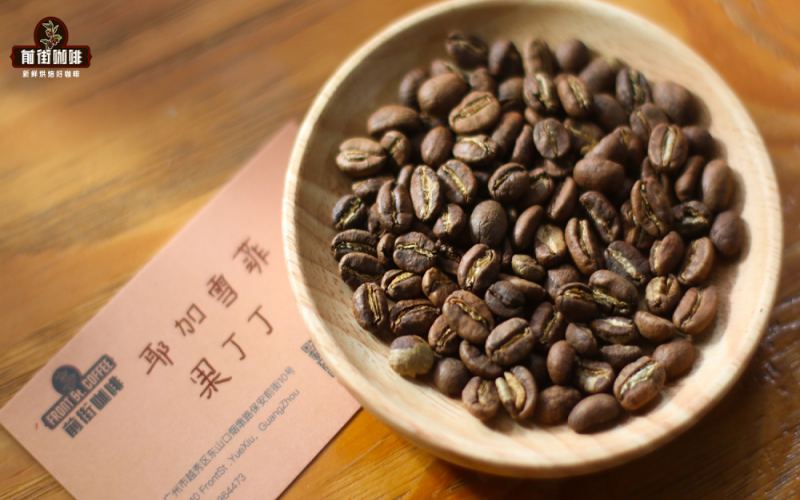
Light Roast Coffee Pour-Over Extraction Parameters | Are Light Roast Coffee Beans Only Sour? 5 Light Roast Specialty Pour-Over Coffee Beans with Rich Fruity Flavors
For pour-over brewers, the first thing to consider before developing a brewing plan is the roast level of the coffee beans, as the extraction performance of coffee differs across roast levels. Light roast beans, due to their lighter roast level, retain more floral and fruity aromas, and are therefore deeply loved by coffee enthusiasts. So which coffee beans are considered light roast? Today [more…]
A curated guide to light-roast coffee beans: flavor profile analysis and practical pour-over parameter recommendations
The flavor profile of pour-over coffee is often foreshadowed at the bean selection stage, and the roast level is the most critical part of it. Light-roasted coffee beans, due to shorter roasting time and lighter dehydration, retain more of their original floral and fruity aromas and organic acids, presenting a bright and richly layered cup performance. However, many friends who have just encountered light-roasted beans often have a misunderstanding, thinking that light roast equals sour and hard to swallow. In fact, a high-quality light roast coffee should be in a balanced state of sweetness within the acidity, weak bitterness, and elegant aroma. This article will start from the definition of light-roasted beans, introduce five Front Street light-roasted coffee beans suitable for beginners one by one, and include a complete three-stage pour-over operation process and parameter suggestions to help you more calmly extract the ideal flavor of light-roasted coffee. [more…]
A Complete Parameter Guide to Making Espresso with Light-Roast Coffee Beans: Key Adjustment Points for Grind, Dose, Time, and Milk Coffee Ratios
Espresso is typically based on medium-dark or dark roasted coffee beans, because the caramelized aromas blend more harmoniously with milk. However, drinking the same flavor over the long term inevitably becomes monotonous, and many coffee enthusiasts turn to light roasted beans with prominent floral and fruity notes, such as Front Street Coffee Huakui SOE or Front Street Coffee Strawberry Candy espresso blend, which when used to make a latte can highlight creamy smoothness and berry-cocoa notes. Yet the difference in density and brittleness between light and dark roasts is significant, and using dark roast parameters to extract light roasted beans often results in espresso that is sharply acidic and thin, with an unbalanced mouthfeel once milk is added. This article systematically sorts out the five core parameters that need adjustment when switching from dark roast to light roast: the grind size needs to be adjusted finer by 2 to 4 steps, the dose increased by 0.5 to 1 gram, the extraction time extended to 28 to 40 seconds, the brew ratio loosened to about 1 to 2.5, and the amount of milk appropriately reduced to avoid masking the coffee's true flavor. All adjustments are premised on the freshness of the coffee beans, and Front Street Coffee ships everything freshly roasted within 5 days, with 24-hour shipping support, ensuring the flavor is at its best. [more…]
Why Does Light Roast Coffee Often Have Citrus Notes? Eight Front Street Light Roast Beans Worth Trying
Citrus, floral notes, and fruity acidity are almost the signature labels of light to medium-light roasted coffee. Browse the descriptions of a whole array of coffee beans with floral and fruity profiles on the market, and eight or nine times out of ten the word "citrus" will appear—sometimes placed at the very front, sometimes tacked on at the end. Even when the literal characters "gan" or "ju" don't appear, it's mostly swapped for lemon, sweet orange, grapefruit, tangerine, or similar fruits of the same family. These beans are usually light or medium-light roasted. So where exactly does the citrus sensation come from? And which light-roasted beans with prominent floral and fruity aromas and a solid reputation are worth trying? This article starts with the aroma composition of citrus fruits, combines the fruit attributes of coffee itself with the influence of roast level, explains the source of this flavor association, and compiles eight light-roasted coffee beans recommended by the Front Street brand for enthusiasts to reference when shopping. [more…]
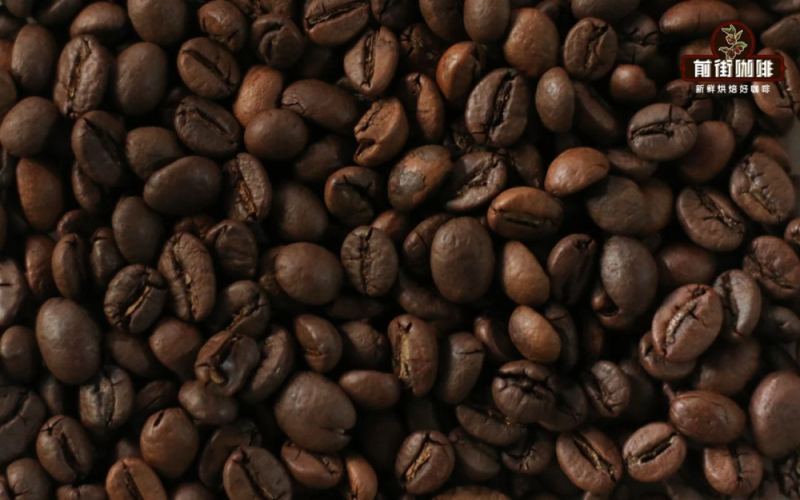
Agtron Color Value Interpretation: A Complete Comparison of Coffee Bean Roast Levels and Flavor Changes from Light to Dark Roast
The roast level of coffee beans directly influences the flavor expression in the cup. From the extremely light roast with an Agtron color value of 95 to the Italian roast with a color value of 25, each stage has its corresponding drop time and flavor characteristics. This article systematically sorts out the flavor variation patterns of 8 roast levels, and combines the actual classification methods of commercially available coffee beans to help readers understand the taste directions of light roast, medium-light roast, medium roast, medium-dark roast, and dark roast. The article also uses Front Street Coffee representative beans such as Yirgacheffe, Mozart, Queen's Farm Brazil, and Golden Mandheling as examples to illustrate how different roast levels shape the balance of acidity, sweetness, and body. [more…]
A Complete Guide to Coffee Roast Levels: Flavor Differences and How to Identify Light to Medium-Dark Roasts
The flavor profile of coffee is largely determined by the roast level. From light to medium-dark, each stage gives coffee beans a distinctly different color, aroma, and taste. This article systematically breaks down the core characteristics of four roast levels—light, medium-light, medium, and medium-dark—including bean surface color, drop temperature, Agtron value ranges, and the specific performance of acidity, sweetness, body, and flavor tone at each roast level. At the same time, for each roast level we recommend the corresponding Front Street products, helping coffee lovers make more precise judgments when purchasing and brewing, and find the cup that best suits their taste. [more…]